Emergency Dentist Beverly Hills: Common Emergencies Treated Quickly

Dental pain has a way of taking over everything. A small crack that felt manageable at breakfast can turn into sharp, pulsing pain by dinner. A child slips near the pool and suddenly has a chipped front tooth. A crown comes loose on the way to a meeting. These situations rarely happen at a convenient hour, and they rarely stay minor for long.
That is why access to an emergency dentist matters. In a place like Beverly Hills, patients often arrive with demanding schedules, public-facing work, travel plans, and little room for a drawn-out dental problem. Still, the urgency is not about convenience alone. Many dental emergencies worsen quickly. What starts as sensitivity can become swelling. What looks like a small break can expose the nerve. Time changes outcomes.
An experienced Emergency Dentist Beverly Hills practice is built around that reality. The goal is not simply to stop pain for the day. It is to identify what is happening, stabilize the tooth or surrounding tissue, and make careful decisions about what can be saved now versus what needs a more definitive repair later.
What counts as a true dental emergency
Patients often ask whether their situation is serious enough to call right away. The honest answer is that pain level alone does not tell the whole story. Some severe problems begin with only mild discomfort, while some dramatic-looking injuries are more manageable than they seem.
A true dental emergency usually involves one or more of the following: significant pain, visible infection or swelling, bleeding that does not stop, trauma to a tooth or jaw, or a restoration such as a crown or bridge failing in a way that leaves the tooth vulnerable. A knocked-out tooth is always urgent. So is facial swelling, especially if it is spreading or making it hard to swallow or open the mouth comfortably.
One practical rule helps. If waiting could increase the risk of losing a tooth, spreading an infection, or making treatment much more invasive, it belongs in the emergency category.
The emergencies treated most often
Dental offices that handle urgent care tend to see patterns. Some emergencies show up again and again, though the causes vary from sports injuries to old fillings to untreated decay.
Severe toothaches and sudden nerve pain
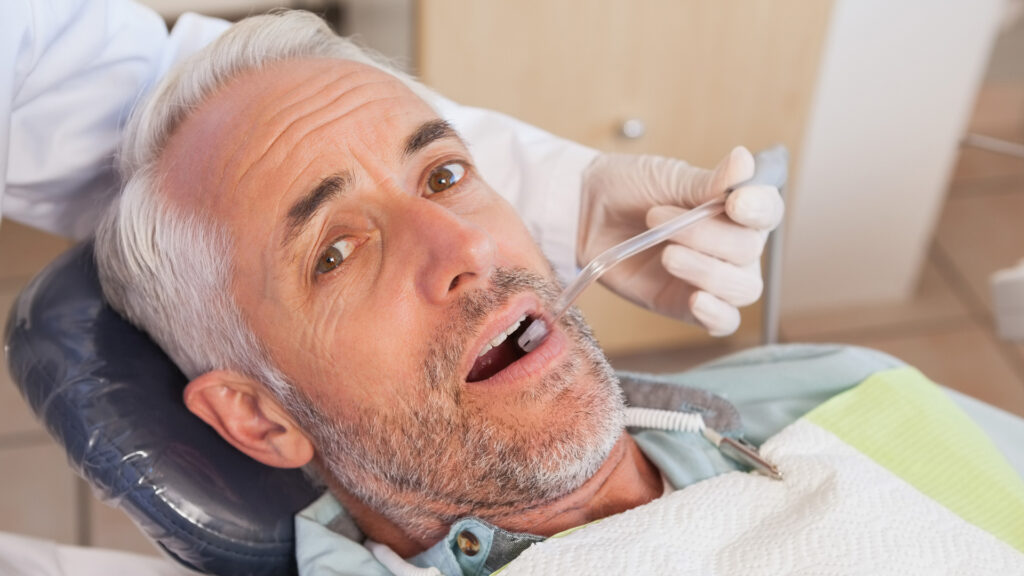
The classic emergency call is a toothache that started as an annoyance and then became impossible to ignore. Patients describe throbbing, pressure, heat sensitivity, pain when biting, or pain that wakes them from sleep. Sometimes the problem is a deep cavity that has reached the pulp. Sometimes it is a cracked tooth, a hidden infection at the root, or inflammation from grinding and clenching.
One thing many people do not realize is that a badly infected tooth does not always look dramatic from the outside. The gums may appear nearly normal while the pressure inside the tooth builds. That is why X-rays and a focused exam matter. The treatment may be as straightforward as adjusting a bite and placing a sedative filling, or it may require root canal therapy, drainage, antibiotics in selected cases, or extraction when the tooth cannot be predictably saved.
Dentists who see emergencies regularly learn to separate panic from pattern. A patient might point to the upper molar when the lower molar is actually the source. Sinus pressure can mimic tooth pain. Teeth with old, large fillings often crack in ways that only become obvious under magnification or when a bite test is done in a very specific spot.
Chipped, cracked, and fractured teeth
A chipped edge on a front tooth can be mostly cosmetic, but not always. If the chip is deep enough to expose dentin or pulp, cold air, water, and even speaking can trigger pain. Back teeth fracture in a different way. A molar may split under the pressure of chewing on a hard seed, ice, or an unpopped popcorn kernel. Patients often say it felt like a sudden electric jolt.
Treatment depends on the depth and direction of the crack. Small chips can often be smoothed or rebuilt Emergency Dentist Beverly Hills with tooth-colored bonding. Larger fractures may need a crown. If the crack has reached the nerve, root canal treatment may be needed before the tooth is restored. If the split runs below the gum line or separates the tooth into unstable parts, the tooth may not be salvageable.
This is where judgment matters. A dentist has to decide not only what is possible today, but what is likely to last six months or five years from now. A temporary fix has value in an emergency, but it should not be mistaken for a durable solution when the structural outlook is poor.
Knocked-out teeth after trauma
A completely knocked-out permanent tooth is one of the clearest dental emergencies. Minutes matter. If the tooth is handled properly and the patient gets to care quickly, there is a real chance it can be replanted.
The first few actions can influence whether the tooth has any chance of surviving:
- Pick up the tooth by the crown, not the root.
- If it is dirty, rinse it gently with milk or saline for a few seconds.
- Place it back in the socket if possible, or keep it in milk.
- Get to an emergency dentist immediately.
- Do not scrub the root or let the tooth dry out.
Children complicate this scenario because parents may not know whether the avulsed tooth is primary or permanent. A baby tooth is generally not replanted, but a permanent tooth often should be. In the heat of the moment, that distinction is easy to miss. That is one reason prompt professional evaluation is so important.
Lost crowns, bridges, and fillings
A lost filling or crown may not sound urgent until it happens to a tooth that already had heavy damage. Once that protective layer comes off, the exposed tooth can become exquisitely sensitive, and the remaining structure may fracture if the patient keeps chewing on it.
Sometimes the issue is simply age. Dental cement wears over time, margins weaken, and restorations loosen. Other times a lost crown signals decay underneath or a crack in the underlying tooth. Recementing an old crown can be reasonable if the fit is still excellent and the tooth is sound, but that is not always the case. A crown that repeatedly pops off often points to a deeper problem.
Patients often try over-the-counter temporary cement, which can be useful for a very short period, but it should be approached carefully. If the crown is forced into the wrong position, the bite can be distorted or the tooth can be injured further. In office, the dentist can clean the area, inspect the tooth, check for decay or fracture, and determine whether the original restoration is still appropriate.
Swelling, abscesses, and gum infections
Swelling is one of the symptoms dentists take most seriously. A dental abscess can spread beyond the tooth into surrounding soft tissue. A localized gum abscess may respond well once the area is drained and cleaned. A deeper infection around the root may require endodontic treatment or extraction. Not every patient with swelling needs antibiotics, but some clearly do, especially when there is fever, diffuse facial swelling, or evidence the infection is progressing.
The challenge is that people often wait too long. They hope the pain will break on its own, and sometimes it Emergency Dentist Beverly Hills seems to, which can be misleading. A decrease in pain after intense pressure is not always a sign of healing. Sometimes it means the nerve has died or the infection has shifted. By the time swelling appears along the jaw or cheek, the condition is already beyond the stage of watchful waiting.
Soft tissue injuries and uncontrolled bleeding
Cuts to the lips, tongue, cheeks, or gums can bleed heavily because the mouth is so well supplied with blood. A small laceration may look alarming but heal well with pressure and careful cleaning. A deeper cut, especially one caused by sharp tooth edges or a fractured restoration, may need sutures or referral depending on the location and severity.
A common scenario is a broken tooth leaving a razor-like edge that continues to irritate the tongue or cheek. Even when the tooth pain itself is tolerable, the soft tissue trauma can make eating and speaking miserable. Smoothing the edge or placing a protective temporary material can make an immediate difference.
What happens during an emergency visit
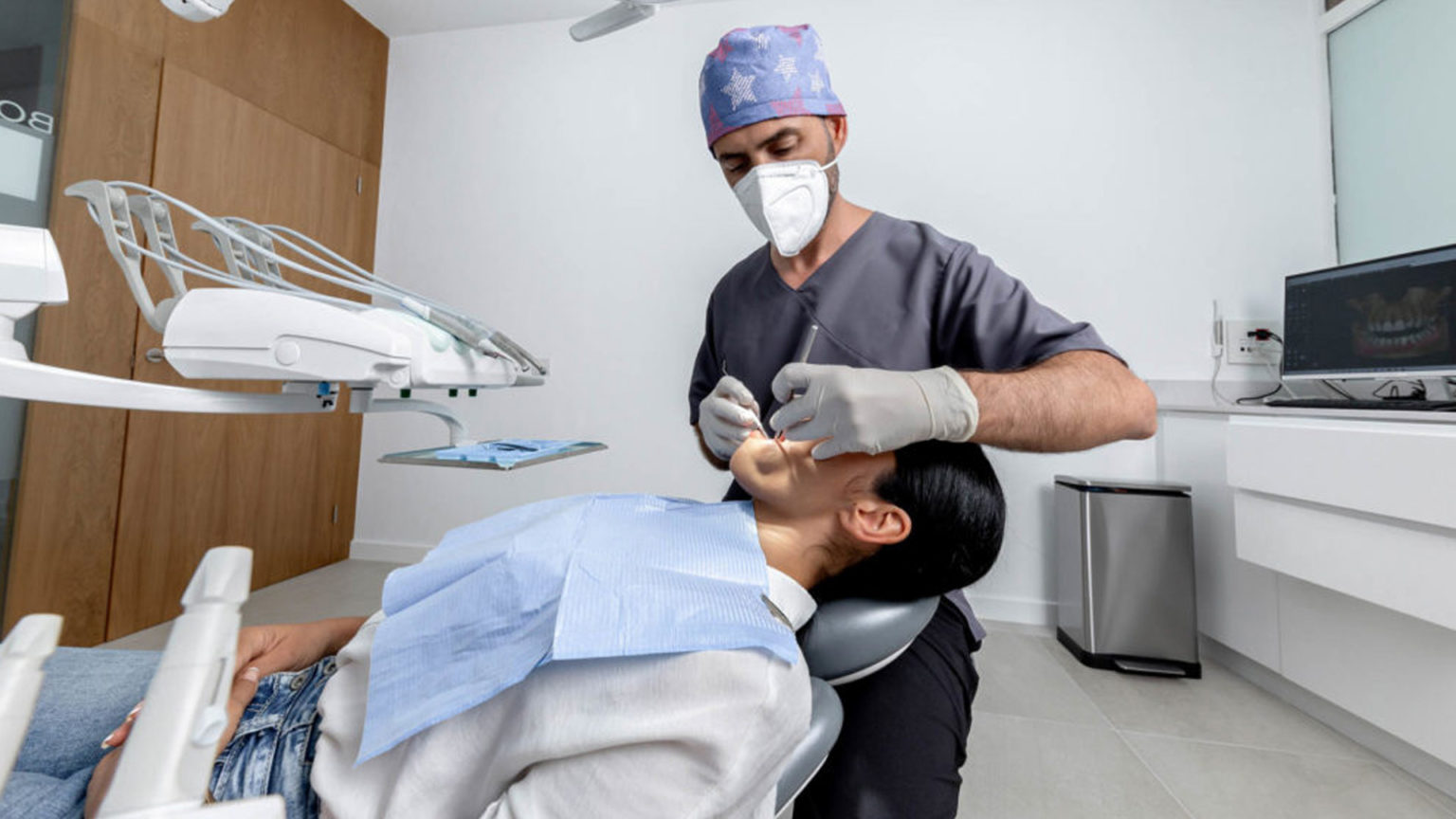
Emergency dental care is not one-size-fits-all. The appointment is shaped by the problem in front of the dentist, but the overall rhythm is usually efficient and focused. First comes a brief history of what happened, when the symptoms started, what makes them worse, and whether there is swelling, fever, trauma, or changes in bite. Then comes the exam, often paired with targeted X-rays.
The purpose of the visit is to answer several practical questions quickly. Is this infection, fracture, trauma, or failure of an existing restoration? Can the tooth be stabilized today? Is the pain coming from one tooth, the gums, the bite, or a nearby structure? Is the treatment today definitive, or a bridge to the next phase?
In many cases, pain relief starts with local anesthesia and a direct intervention, not simply medication. Draining an abscess, removing a badly inflamed nerve, smoothing a fracture, reattaching a restoration, or taking a tooth out of traumatic occlusion often helps more than any prescription can.
An experienced Emergency Dentist Beverly Hills provider also has to think beyond the immediate moment. A front tooth repair for someone who works on camera requires not only function but a very careful match in shape and shade. A business traveler flying the next morning may need a secure temporary plan that can hold until definitive care. A patient with a strong gag reflex, dental anxiety, or a history of difficult anesthesia needs a slightly different approach than the textbook version.
Fast treatment does not mean rushed treatment
Patients sometimes hear "same-day emergency appointment" and assume the goal is speed at all costs. The better standard is different. The office should move quickly, but decisions should still be thoughtful. In emergency dentistry, rushing the diagnosis can create bigger problems later.
Take a cracked molar. If the pain is intense, it may be tempting to jump straight to root canal therapy. But if the crack extends too far below the gum line, root canal treatment alone will not solve the structural problem. On the other hand, extracting a tooth too quickly without considering whether a crack is actually confined can sacrifice a tooth that could have been restored successfully. The same goes for swelling. Antibiotics can be helpful in the right case, but they do not remove the source of the infection. Without definitive treatment, the problem often returns.
That balance, urgent but deliberate, is one of the clearest signs of a capable emergency practice.
How patients can protect the situation before they arrive
The first hour matters, and a few simple steps can prevent a manageable injury from becoming worse. These are the instructions patients tend to remember and use:
- Rinse gently with warm salt water if the mouth is irritated or bleeding lightly.
- Use a cold compress on the outside of the face for swelling or trauma.
- Avoid chewing on the injured side, especially if a tooth is cracked or a crown is loose.
- Keep any broken tooth fragments or a dislodged crown and bring them to the appointment.
- Seek urgent medical help, not just dental help, if there is difficulty breathing, swallowing, or possible jaw fracture.
Beyond that, restraint is useful. Aspirin placed directly on the gum can burn tissue. Very hot compresses can worsen swelling. Home glues have no place in the mouth. People improvise under stress, and not all improvisation is harmless.
Special cases that deserve extra caution
Not all emergencies fit the usual script. Certain groups and situations require more tailored decision-making.
Pregnant patients can absolutely receive emergency dental care, and untreated infection is often more concerning than treatment itself. The approach simply needs coordination and sensible selection of imaging, medication, and procedures. Patients with diabetes, immune compromise, or certain heart conditions may need a more cautious plan when infection is present. Blood thinners can complicate extractions and soft tissue management, though they do not prevent necessary care.
Cosmetic cases present another nuance, especially in Beverly Hills. Veneers, bonding, implant crowns, and highly customized aesthetic restorations can fracture or detach in ways that are not dangerous but are still urgent for the patient. A visible problem in the front of the mouth can affect work, confidence, and speech. In these cases, emergency care often combines technical repair with an aesthetic eye. Shade, contour, polish, and symmetry matter, even when the visit is unscheduled.
Children present their own set of challenges. A child may have trouble describing the pain accurately, and an injury to a primary tooth can affect the developing permanent tooth beneath it. A rushed repair in a frightened child often backfires. The best pediatric emergency care usually looks calm, efficient, and very deliberate in how trust is built in the first few minutes.
When a dental emergency is actually a medical emergency
Dentists handle a wide range of urgent oral problems, but there are limits, and knowing them protects patients. Significant facial trauma after a fall or accident may involve the jaw, cheekbone, or head, not just the teeth. Uncontrolled bleeding after pressure has been applied, rapidly spreading swelling, fever with systemic symptoms, difficulty breathing, and suspected fractures all push the situation toward emergency medical care.
A patient who cannot open the mouth normally after trauma, has numbness in the lip or chin, or notices the teeth no longer meet properly may have a jaw injury rather than an isolated tooth problem. In those cases, a hospital or oral and maxillofacial surgeon may be the right first stop, or the dentist may coordinate that referral after triage.
This distinction matters because people sometimes underestimate the seriousness of oral and facial injuries. The mouth sits at the intersection of dental, medical, and surgical issues. Good emergency care means recognizing which lane the problem belongs in.
Why timing changes the outcome
The difference between being seen the same day and waiting several days can be dramatic. A small fracture can deepen. A loose crown can turn into a broken root. An inflamed nerve can become an abscess. A knocked-out tooth can go from salvageable to lost. These are not scare tactics. They are patterns seen over and over in practice.
One of the more frustrating scenarios is the patient who tries to "be tough" through a weekend of worsening tooth pain, then arrives with facial swelling on Monday morning. At that point, the treatment is often more invasive, more expensive, and less predictable than it would have been two days earlier. The same is true for broken teeth. A crack that might have been restored with a crown sometimes splits completely if the patient keeps chewing on it.
That is the practical value of an Emergency Dentist Beverly Hills office that can assess and treat problems promptly. It is not just relief. It is preservation.
The larger goal after the urgent problem is controlled
The emergency visit is often the first chapter, not the last. Once the pain is reduced and the immediate risk is managed, the next step is planning. If a tooth was temporarily restored, what permanent treatment gives it the best chance? If an abscess was drained, what removes the source? If a cosmetic front tooth was patched after trauma, how will the final repair be designed so it lasts and blends naturally?
This is where honest conversations matter. Sometimes the most conservative plan is best. Sometimes the more durable option involves greater investment up front, such as a crown instead of another large filling, or an implant after a non-restorable fracture rather than repeated patchwork on a hopeless tooth. Patients appreciate clarity when they are shown the trade-offs without pressure.
Emergency dentistry is often remembered for the speed, the same-day call back, the pain relief, the rapid X-ray, the immediate fix. But the real value lies in something less flashy. It is the ability to read a difficult moment accurately, act decisively, and protect the patient's options before the problem gets away from them.
When dental pain or trauma strikes, that combination of speed and judgment is what people are truly looking for. Not just fast treatment, but the right treatment, delivered when it still has the power to change the outcome.
Dental Group of Beverly Hills
8641 Wilshire Blvd #125, Beverly Hills, CA 90211, United States
Phone: +1 (310) 929-6335
FAQ About Emergency Dentist Beverly Hills
What is considered to be a dental emergency?
Severe tooth pain, a knocked-out permanent tooth, a significant tooth fracture, or suspected dental infection needs prompt professional assessment. Contact a dentist to describe the problem and arrange appropriate care. Trouble breathing or swallowing, uncontrolled bleeding, or major facial injury requires immediate emergency medical attention.
How to tell if tooth pain is serious?
Pain that is severe, persistent, or accompanied by fever, facial swelling, or a bad taste should be assessed promptly by a dentist. The cause cannot be confirmed from symptoms alone. If swelling affects breathing or swallowing, call 911 or go to an emergency department.
What do I do if I have a dental emergency and no dentist?
Call a nearby dental practice that accepts urgent patients and explain your symptoms, when they began, and any recent injury. Ask about the earliest available assessment and what information to bring. For life-threatening symptoms, seek emergency medical care immediately instead of waiting for a dental appointment.