Emergency Dentist Beverly Hills: Immediate Help for Dental Infections
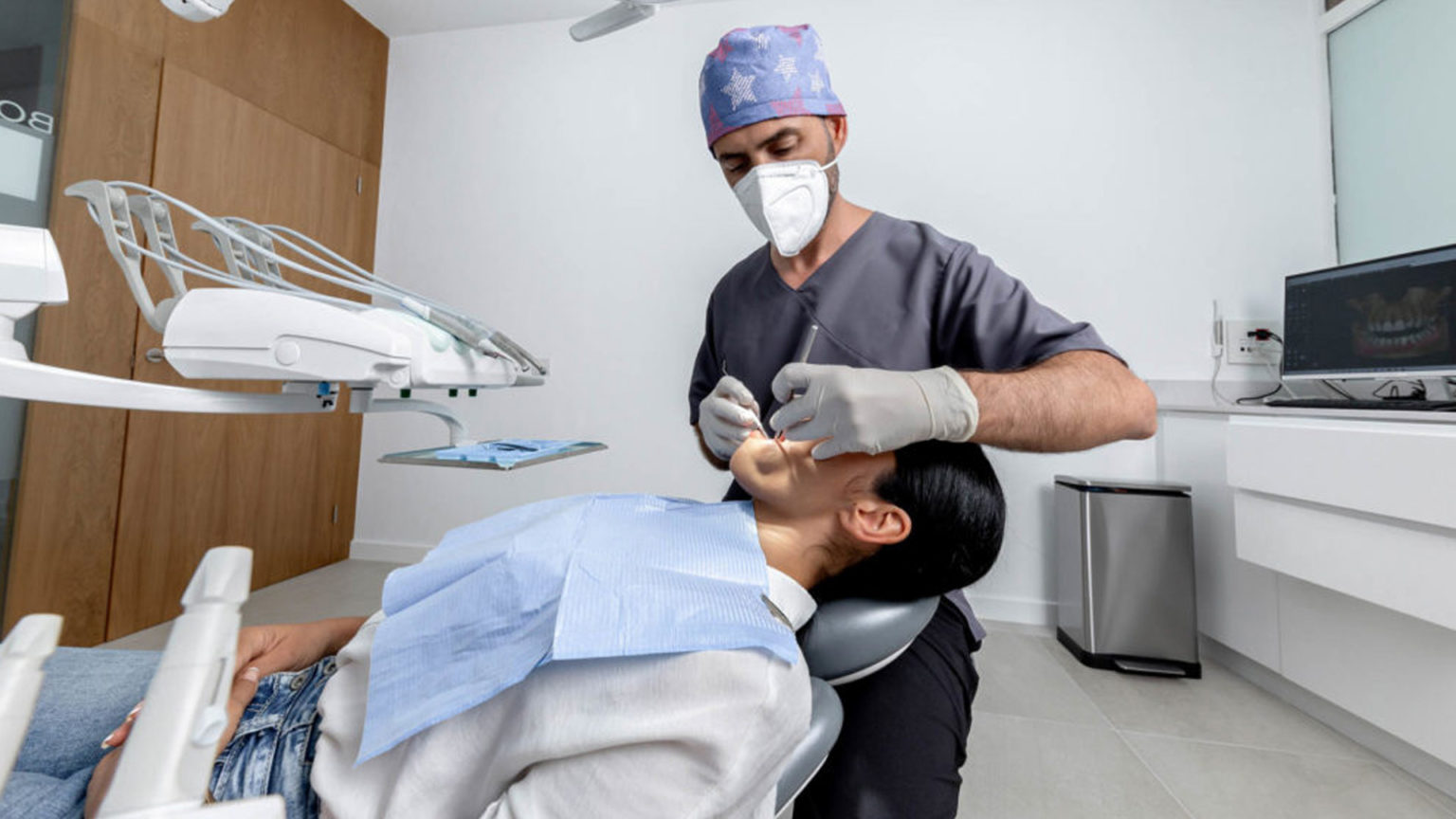
A dental infection rarely stays polite for long. It can begin as a dull ache, a little sensitivity to cold, a gumline that feels tender when you brush. Then, sometimes overnight, the pain sharpens, the face starts to swell, sleep becomes impossible, and eating turns into a negotiation. At that point, speed matters. If you are searching for an Emergency Dentist Beverly Hills patients can reach quickly, the goal is not simply pain relief. It is to stop an infection from spreading, protect the tooth if possible, and prevent a bad situation from becoming a dangerous one.
Dental infections are common, but they are not minor by default. Some remain localized and treatable with prompt care. Others move into deeper tissues, trigger fever, restrict the ability to open the mouth, or cause swelling that changes the shape of the face. In practice, the difference between a manageable infection and a serious emergency often comes down to timing. The sooner the problem is examined, the more treatment options usually remain.
What a dental infection actually is
People often use the phrase "tooth infection" to describe several different problems. Most often, the source is a bacterial invasion inside the tooth, usually after decay reaches the pulp where the nerve and blood supply live. It can also begin around the root, in a deep gum pocket, beneath a crown, or around a partially erupted wisdom tooth. Trauma adds another layer. A cracked tooth from chewing ice or grinding at night may look fine on the surface while bacteria work their way into the inner structure.
Once bacteria get established, pressure builds. That pressure is part of what creates throbbing pain. The body sends inflammatory cells to the area, which is helpful in one sense, but swelling inside a closed space like a tooth or the surrounding bone can become intense very quickly. In some cases, pus collects into an abscess. Patients sometimes describe it as feeling like the tooth is lifting out of the socket or as if their heartbeat is trapped in one side of the jaw.
Not every infection causes dramatic pain. That is one reason these cases can be deceptive. A dying nerve may actually become less painful for a while, even as the infection continues at the root. Some people first notice a bad taste in the mouth, a pimple-like bump on the gum, or tenderness when they bite down. Others only recognize the seriousness when facial swelling appears in the mirror.
Why prompt treatment matters more than many people realize
A dental infection is not like a headache you can outwait. The body may wall it off temporarily, but the source usually does not disappear on its own. Pain medication can mask symptoms, and antibiotics, when prescribed, may reduce swelling or slow bacterial activity, but they do not remove dead tissue, drain an abscess, or repair the damaged tooth. The infection source needs treatment.
Delay can change the entire picture. A cavity that might have been treated with root canal therapy and a crown can become a non-restorable tooth if too much structure is lost. A localized abscess can spread into nearby spaces of the face and jaw. If the swelling extends under the tongue, toward the throat, or causes difficulty swallowing or breathing, that is no longer just a dental inconvenience. It is an urgent medical issue.
This is one reason experienced emergency dentists ask very specific questions on the phone. They want to know when the pain started, whether swelling is increasing, whether you have a fever, and whether you can swallow normally. Those details guide triage. A patient with localized pain is different from a patient whose lower face is rapidly enlarging by the hour.
Signs that call for immediate attention
Some symptoms can wait for a next-day appointment. Others should move to the front of the line. If you are unsure whether your situation counts as urgent, these are the signs that deserve same-day guidance:
- Visible swelling of the gum, jaw, cheek, or face
- Fever, chills, or a general sick feeling along with tooth pain
- Trouble swallowing, opening the mouth, or breathing comfortably
- Persistent throbbing pain that does not improve with over-the-counter medication
- A bad taste, pus drainage, or a bump on the gum near a painful tooth
That list is intentionally short because these are the symptoms that change decision-making. A patient with mild sensitivity may be uncomfortable. A patient with swelling and fever may be dealing with a true dental emergency.
What happens when you see an emergency dentist
Patients often imagine that emergency dentistry means a quick look and a prescription. In a well-run practice, the appointment is more deliberate than that. The first objective is diagnosis. Tooth pain is famous for being misleading. An upper molar infection can feel like sinus pressure. A cracked tooth can mimic nerve inflammation. Gum infections can refer pain into nearby teeth. Treatment only works when the source is accurately identified.
A typical emergency visit starts with a focused history. The dentist will ask when the pain began, whether it Emergency Dentist Beverly Hills is spontaneous or triggered by hot or cold, whether biting worsens it, and whether swelling or drainage has occurred. They will review medical conditions, medications, allergies, and any recent antibiotic use. This matters more than many people expect. A patient with diabetes, immune suppression, pregnancy, or recent oral surgery may need a modified plan.
The exam usually includes visual inspection, percussion testing, bite testing, and X-rays. In many infection cases, a periapical radiograph or panoramic image helps reveal bone changes, deep decay, root problems, or impacted teeth. Sometimes the image clearly shows the problem. Sometimes it does not, especially early in the process. Clinical judgment fills the gap.
Once the source is identified, immediate treatment depends on what is present that day. If there is a fluctuant abscess, drainage may provide fast relief. If the tooth is salvageable, opening it to release pressure can transform the patient’s pain level within minutes. If the infection is tied to a tooth that cannot be saved, extraction may be the best route. Antibiotics may be prescribed when there is swelling, spreading infection, fever, or involvement beyond the tooth itself. They are often helpful, but they are an adjunct, not the main event.
The treatments most often used for dental infections
Emergency care for infection is not one-size-fits-all. The right treatment depends on the anatomy of the tooth, the extent of infection, how restorable the tooth is, and the patient’s overall health.
Root canal therapy is often the preferred choice when the tooth structure can be preserved. In simple terms, the infected pulp is removed, the canals are cleaned and shaped, and the inside of the tooth is sealed. A patient who comes in with severe throbbing pain from an abscessed premolar may walk out the same day feeling dramatically better after the pressure is relieved. Later, the tooth usually needs a final restoration, commonly a crown, to protect it.
Extraction becomes the better option when the tooth is cracked below the gumline, severely decayed, loose from advanced periodontal disease, or otherwise not predictable to restore. In those moments, keeping a tooth at all costs is not good dentistry. It is often wiser to remove the infection source, let the area heal, and then discuss replacement options such as an implant or bridge.
Incision and drainage may be needed when a soft tissue abscess is present. This is not glamorous care, but it can be the turning point for comfort. Draining the area reduces pressure and bacterial load. Patients who arrive miserable often notice the first real relief after this step.
Pericoronitis, a common infection around a partially erupted wisdom tooth, is another classic emergency. The tissue over the tooth can trap bacteria and food, creating swelling, pain, and difficulty chewing. Some cases settle with irrigation, targeted medication, and improved hygiene, but recurrence is common. Definitive treatment often means removing the offending wisdom tooth once the acute phase is controlled.
When antibiotics help, and when they do not
This is one of the biggest misconceptions in emergency dental care. Many patients understandably hope that an antibiotic alone will "clear it up." Sometimes symptoms improve for a few days and it feels like the problem is gone. Then the pain returns, often worse than before.
Antibiotics can be essential when infection is spreading, when swelling is significant, or when systemic symptoms are present. They can also support treatment when drainage is incomplete or when a patient cannot receive definitive care at that exact moment. But if the nerve inside the tooth is dead or infected, the body’s blood supply to that area is limited. That means the medication often has a harder time reaching the source. The infected tissue still needs to be removed or the tooth removed.
There is also the issue of resistance and side effects. Taking antibiotics repeatedly without definitive treatment is poor long-term care. It exposes patients to stomach upset, allergic reactions, yeast infections, and unnecessary antibiotic pressure without solving the underlying problem. Experienced clinicians are usually careful here. They prescribe when indicated, and they push for actual treatment, not temporary postponement dressed up as progress.
What to do while you are waiting to be seen
The hours before an emergency dental appointment can feel much longer than they are. Pain distorts time. Swelling creates anxiety. Most people want to know what they can safely do at home without making the situation worse.
Use a cold compress on the outside of the face if swelling is present. Stick to soft foods and avoid chewing on the painful side. Over-the-counter pain relievers may help if you can take them safely according to your physician’s advice and the package directions. Gentle warm saltwater rinses can soothe irritated tissue, especially around the gums. Keep the head elevated rather than lying flat, particularly if throbbing intensifies at night.
A few things are worth avoiding. Do not place aspirin directly on the gum, a surprisingly persistent home remedy that can burn tissue. Do not apply heat to a visibly swollen face unless a clinician specifically advises it. Do not keep taking leftover antibiotics from a previous illness. And if swelling is increasing rapidly or swallowing becomes difficult, do not wait for routine office hours.
The Beverly Hills factor: what patients often need from emergency care here
The phrase Emergency Dentist Beverly Hills carries a local reality beyond the ZIP code. Patients in this area are often balancing urgent care with work obligations, travel schedules, public visibility, and a strong preference for preserving appearance. That affects treatment planning more than outsiders sometimes realize.
A front tooth infection before a major event is a different emotional experience from a painful molar on a quiet weekend. Swelling of the upper lip or cheek can be professionally disruptive for people whose image is tied to their work. Temporary restorations matter. The esthetic outcome matters. Even the timing of follow-up matters because many patients travel frequently or split time between cities.
That said, sound emergency dentistry does not become cosmetic theater just because the practice is in Beverly Hills. The priorities remain clinical. Control infection first. Stabilize the tooth or remove the source if necessary. Protect appearance where possible without compromising health. Good dentists in this setting know how to manage both the urgency and the esthetic expectations without confusing one for the other.
Cases that can fool patients
Some dental infections present in ways that send people down the wrong path. Sinus-like pressure in the cheek may actually come from an upper back tooth. Ear pain can be referred from a lower molar. A small gum pimple that drains intermittently may seem harmless because it reduces pressure, but it is often evidence of a chronic abscess. I have seen patients ignore these signs for months because the pain came and went, only to finally seek help when a crown loosened or swelling appeared before a flight.
Cracked teeth are another trap. The patient may say, "It only hurts when I bite in a certain way," and because the pain is not constant, they wait. But a deep crack can give bacteria repeated access to the pulp. By the time the symptoms become steady, the treatment choices may be narrower.
Children can be tricky as well. They do not always localize pain accurately. A child with a dental infection may simply stop eating on one side, wake up at night, or become irritable and clingy. Facial swelling in a child deserves prompt evaluation, even if the child seems otherwise active.
The difference between urgent and emergency
This distinction matters because it shapes where you go and how quickly. Urgent dental problems need prompt professional care, usually within a day or two. True emergencies need same-day attention, and sometimes hospital evaluation.
A lost filling with mild sensitivity is urgent. A broken denture before an event is urgent. Sharp pain from a fractured cusp may be urgent. But swelling that is spreading, fever, difficulty swallowing, inability to open the mouth normally, or any breathing change pushes the case into emergency territory. When a dental office tells you to go directly to the emergency room, that is not overreaction. It is recognition that airway and deep facial space infections fall outside what should be managed casually in a standard office schedule.
How dentists decide whether a tooth can be saved
Patients often come in with a single question: "Can you save it?" The answer depends on more than whether the tooth hurts. Dentists look at the amount of remaining healthy tooth structure, the presence of cracks, root condition, bone support, periodontal status, and whether the tooth can be predictably restored after infection control.
For example, a first molar with a large cavity and abscess may still be an excellent candidate for root canal therapy if the roots are sound and enough crown structure remains. By contrast, a tooth with a vertical root fracture often cannot be predictably saved, even if the patient is highly motivated. That distinction can be hard to hear, especially when the tooth has been crowned recently or has sentimental value. Good emergency care involves honesty. Saving a hopeless tooth for a few extra weeks usually means extra cost, more pain, and delayed healing.
After the emergency visit
Relief after treatment can be dramatic, but recovery is not always instant. Tissues that have been inflamed for days may stay tender for a while even after the source is addressed. A tooth opened for drainage may feel sore to bite on for several days. An extraction site needs protection from dry socket and food impaction. Swelling often peaks before it recedes, especially after a severe abscess or difficult procedure.
This is where follow-through matters. Patients often feel better and disappear, especially if they received an emergency-only treatment aimed at stabilization. The danger is that temporary relief gets mistaken for completed care. A root canal started but not finished can fail. A tooth temporarily sealed can fracture. An extracted infected tooth may heal well, but the long-term bite can drift if replacement is never addressed.
Most practices give very specific aftercare instructions and a follow-up timeline. Take that seriously. Emergency dentistry works best when it serves as the first phase of complete care, not the only phase.
Choosing the right emergency dentist when infection is the problem
Not every practice handles infection-related emergencies with the same efficiency. Availability matters, but so does diagnostic experience. A dentist who routinely manages acute infections tends to move faster from symptom description to likely source. They also know when a case needs referral to an endodontist, oral surgeon, or hospital setting.
If you are calling offices while in pain, the conversation itself can tell you a lot. A strong emergency team asks focused questions, explains what to watch for, and tries to see active infection cases quickly. They do not promise that antibiotics will fix everything, and they do not treat severe swelling like a routine inconvenience.
For patients looking for an Emergency Dentist Beverly Hills residents can rely on, the ideal practice combines accessibility, clinical judgment, and the ability to coordinate next steps. A same-day slot is valuable. A same-day slot with the wrong diagnosis is not. What you want is urgency paired with accuracy.
The bigger goal is not just getting out of pain
Pain is what drives most emergency visits, but comfort alone is not the whole outcome. The real goals are to stop the infection, preserve function, minimize long-term damage, and lower the chance of recurrence. Sometimes that means saving a tooth with endodontic treatment. Sometimes it means extracting it decisively instead of dragging out the inevitable. The best emergency care balances speed with judgment.
Dental infections have a way of exposing the difference between temporary fixes and real treatment. A patient may arrive wanting only enough relief to get through the weekend, a business meeting, or a flight. Fair enough. Life does not pause for tooth pain. But infections tend not to respect calendars. Addressing them properly, early, and with a clear plan is what protects both health and future dental options.
If your tooth pain is escalating, your face is swelling, or you feel sick along with a dental problem, treat it like the urgent issue it is. Fast action is not panic. It is good sense. In many cases, it is also what makes the difference between a manageable procedure and a much more serious problem.
Dental Group of Beverly Hills
8641 Wilshire Blvd #125, Beverly Hills, CA 90211, United States
Phone: +1 (310) 929-6335
FAQ About Emergency Dentist Beverly Hills
What is considered to be a dental emergency?
Severe tooth pain, a knocked-out permanent tooth, a significant tooth fracture, or suspected dental infection needs prompt professional assessment. Contact a dentist to describe the problem and arrange appropriate care. Trouble breathing or swallowing, uncontrolled bleeding, or major facial injury requires immediate emergency medical attention.
How to tell if tooth pain is serious?
Pain that is severe, persistent, or accompanied by fever, facial swelling, or a bad taste should be assessed promptly by a dentist. The cause cannot be confirmed from symptoms alone. If swelling affects breathing or swallowing, call 911 or go to an emergency department.
What do I do if I have a dental emergency and no dentist?
Call a nearby dental practice that accepts urgent patients and explain your symptoms, when they began, and any recent injury. Ask about the earliest available assessment and what information to bring. For life-threatening symptoms, seek emergency medical care immediately instead of waiting for a dental appointment.