Emergency Dentist Beverly Hills: Protecting Your Smile in Urgent Situations
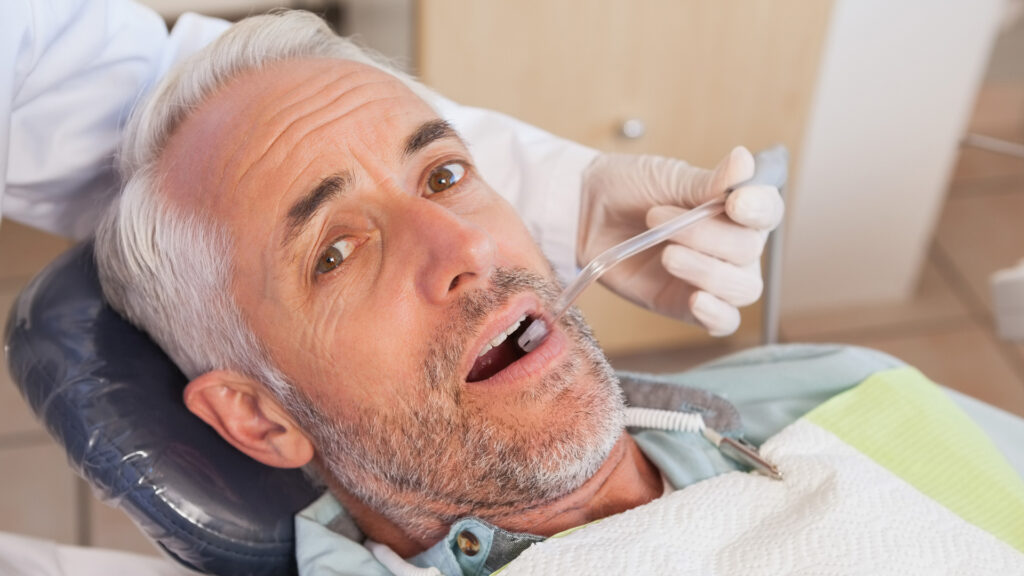

Dental emergencies rarely arrive at a convenient time. A front tooth chips before a meeting, a crown loosens during dinner, or a dull ache turns into pounding pain after midnight. In Beverly Hills, where schedules tend to be full and appearance often matters in both personal and professional life, a dental emergency can feel especially disruptive. It affects comfort, confidence, speech, eating, and sometimes even your ability to get through the next few hours.
The phrase Emergency Dentist Beverly Hills is not just a search term people type when they are panicked. It reflects a real need for prompt, skilled care in situations where waiting is a bad idea. Some dental issues are painful but manageable for a day or two. Others need attention right away because infection can spread, teeth can become harder to save, and what started as a small problem can become a more expensive one.
Urgent dental care is about more than stopping pain. It is about protecting the long-term health of the tooth, the gums, the jaw, and in some cases your overall health. The difference between seeing a dentist quickly and putting it off can mean preserving a natural tooth instead of losing it, repairing a small fracture instead of needing a crown, or treating a localized infection before it affects surrounding tissue.
What actually counts as a dental emergency
Not every dental problem is an emergency, but many people underestimate the seriousness of symptoms because they hope things will settle down on their own. A true emergency generally involves severe pain, visible damage, swelling, bleeding, trauma, or signs of infection. That said, urgency exists on a spectrum. A cracked molar that only hurts when you chew may not send you to the emergency room, but it still deserves fast dental attention before the crack deepens.
In practice, the cases that most often need same-day or next-day evaluation include the following:
- A knocked-out tooth, especially an adult tooth
- Significant swelling of the gums, face, or jaw
- Severe toothache that does not ease with basic measures
- A broken tooth with sharp edges, exposed nerve, or visible fracture
- Uncontrolled bleeding after trauma or dental treatment
There are also situations that feel less dramatic but should not wait long. A lost filling can leave a tooth sensitive and vulnerable. A broken veneer on a front tooth may not threaten health, but it can affect speech and confidence. A crown that comes off may expose weak underlying tooth structure. If you wear braces, a loose bracket or protruding wire can create painful sores and interfere with treatment progress.
One of the most common mistakes patients make is assuming that if the pain comes and goes, the problem cannot be serious. Teeth do not always follow a tidy script. A nerve can be inflamed for days before becoming acutely infected. A cracked tooth may hurt only when biting in a certain way. Gum infection may begin with tenderness before obvious swelling appears. Dental emergencies often start quietly.
The first few hours matter more than most people realize
Time changes outcomes. That is especially true with a knocked-out tooth. If an adult tooth is reimplanted quickly, ideally within 30 to 60 minutes, the chance of saving it is significantly better. After that window, success becomes less predictable because the cells on the root surface start to deteriorate. Even when a tooth can be repositioned, delayed care often complicates healing.
Infections also move faster than people expect. A tooth abscess is not just a bad toothache. It is a bacterial infection that can spread into the surrounding bone and soft tissue. In some cases, it can cause facial swelling, fever, difficulty swallowing, or trouble opening the mouth. Those are not symptoms to monitor for a week. They require prompt evaluation, and when airway compromise or systemic symptoms are involved, medical emergency care may be appropriate.
Trauma creates its own clock. A chipped front tooth may seem cosmetic, but if the chip exposes dentin or pulp, the tooth can become intensely sensitive and vulnerable to further damage. A tooth that has been pushed out of position after a fall may still feel stable enough to ignore, yet delayed treatment can make proper repositioning more difficult and increase the risk of root complications.
There is also a practical reason to act quickly. Early treatment is often simpler treatment. Stabilizing a cracked tooth with a temporary restoration is usually easier than dealing with a split tooth later. Recementing a crown before the underlying tooth fractures is often straightforward. Draining an infection before swelling becomes severe can reduce both discomfort and complexity.
Common emergencies seen in Beverly Hills practices
Every community has its patterns. In Beverly Hills, emergency dental visits often involve a mix of cosmetic concerns and classic urgent conditions. Patients may present after biting into something hard at a restaurant, after sports or fitness injuries, after old dental work gives out, or before travel, media appearances, business events, and weddings. Appearance matters, but so does preserving function under pressure.
A front tooth fracture is one of the most distressing scenarios because it is visible every time you speak or smile. The best repair depends on the extent of the damage. Small chips can sometimes be smoothed or bonded beautifully in one visit. Larger fractures may require bonding, veneers, or crowns. If the pulp is involved, root canal treatment may be needed before the tooth can be fully restored.
Molars tell a different story. When a back tooth cracks, patients often describe a sharp pain when releasing a bite rather than when chewing down. That Dental Group of Beverly Hills Emergency Dentist Beverly Hills detail matters because it often points to a crack line flexing under pressure. These teeth can be tricky. Some are treatable with cuspal coverage, usually a crown. Others extend below the gumline and cannot be predictably saved. Quick evaluation helps define the limits before the damage progresses.
Dental infections remain one of the most important categories. A swelling near the gum, a bad taste in the mouth, facial puffiness, or throbbing pain that wakes you up at night all raise concern. Sometimes the source is a dead nerve inside the tooth. Other times it is a deep periodontal infection around the root. The treatment may involve drainage, antibiotics in selected cases, root canal therapy, extraction, or a combination.
Then there are restoration failures. A temporary crown falls off before a big event. An implant crown loosens. A bridge shifts. These situations are not always medically urgent, but they are functionally urgent. Loose dental work can lead to aspiration risk, pain from exposed tooth structure, or damage to the underlying tooth if left unresolved.
What to do before you reach the dentist
The period between the emergency and the appointment can either protect the situation or make it worse. Good first-aid steps are simple, but they matter. If you cannot be seen immediately, focus on keeping the area clean, controlling discomfort, and avoiding additional trauma.
- Rinse gently with warm salt water if the mouth is sore, swollen, or bleeding lightly
- Use a cold compress on the outside of the face for swelling or trauma
- If a tooth is knocked out, hold it by the crown, not the root, and keep it moist in milk or saliva
- Avoid chewing on the injured side and stay away from very hot, very cold, or sugary foods
- Take over-the-counter pain relief as directed, unless your physician has told you to avoid it
There are also a few things not to do. Do not place aspirin directly on the gum, which can irritate or burn tissue. Do not force a broken crown back into place if it feels unstable or painful. Do not ignore swelling that is increasing by the hour. And do not assume antibiotics alone will solve a dental abscess. Medication may reduce spread in some cases, but the source still needs treatment.
Patients sometimes try household repairs, especially with crowns or fractured teeth. Temporary dental cement from a pharmacy can occasionally help protect a crown or filling site for a short period, but it is not a substitute for care. Super glue is never appropriate inside the mouth. It introduces risk, interferes with proper dental bonding, and can injure tissue.
Pain tells part of the story, but not all of it
Many people use pain as the sole measure of urgency. That is understandable, but it is incomplete. Some of the most serious dental problems are not the most painful in their early stages. A chronic infection may drain and feel surprisingly mild. A cracked tooth can go quiet between episodes. A traumatized tooth may lose vitality slowly over time after an accident.
At the same time, severe pain does not always mean the situation is dangerous, though it always deserves respect. Reversible pulp inflammation from a failing filling can cause intense sensitivity without swelling or infection. An exposed root surface from gum recession can mimic a deeper problem. Clenching and grinding can trigger muscle and joint pain that radiates to the teeth.
This is where experience matters. A seasoned emergency dentist does not just react to the symptom in front of them. They sort through causes, patterns, and risk factors. Was there recent dental work? Did the pain start with chewing or with temperature? Is there nighttime throbbing? Does tapping on the tooth reproduce the discomfort? Is the bite off? Are there signs of sinus involvement, cracked tooth syndrome, periodontal disease, or a failing root canal?
Diagnosis drives proper treatment. That sounds obvious, but in emergency care the temptation is to chase fast relief without clarifying the underlying problem. A numbing medication or an antibiotic may provide temporary help, yet lasting results depend on identifying whether the tooth needs a filling, a crown, root canal therapy, extraction, periodontal treatment, bite adjustment, or referral to a specialist.
How emergency dental visits are usually handled
Most urgent dental appointments follow a practical sequence. The dentist will take a focused history, ask what changed and when, and perform an examination aimed at the source of the problem. X-rays are often part of this process, especially when infection, fracture, impacted teeth, or prior dental work may be involved. In some cases, photographs or additional imaging help clarify trauma or cosmetic concerns.
Treatment on the first visit is often about stabilization. If you arrive with severe pain from an inflamed or infected nerve, the goal may be to open the tooth, reduce pressure, and begin root canal treatment or refer appropriately. If the tooth is broken, the first step may be smoothing sharp edges and placing a protective restoration. If a crown is loose, it may be recemented temporarily or permanently depending on the underlying tooth.
Not every emergency is completed in one sitting. That does not mean the visit was unsuccessful. Good emergency care often means getting the patient comfortable, stopping progression, and creating a sound path for definitive treatment. A badly fractured tooth may need temporary protection now and a crown later. A cosmetic repair on a front tooth may look good immediately, but final refinement may be scheduled after the tooth settles and the tissues calm down.
Patients are often surprised by how much can be done quickly when the office is equipped for urgent care. Modern materials allow for same-day bonding, temporary restorations, digital imaging, and efficient communication with specialists. Still, judgment matters more than speed. Rushing a definitive solution before the diagnosis is clear can create new problems.
Cosmetic concerns are not trivial in a dental emergency
In Beverly Hills, it would be unrealistic to pretend that appearance is secondary in every case. A broken front tooth before a public appearance, event, trial, interview, or wedding is not just a vanity issue. It affects confidence, speech, and social ease. Skilled emergency dental care should recognize that urgency includes function and aesthetics, especially when the damage is visible.
That said, cosmetic urgency has to be balanced against biology. If a front tooth is traumatized deeply enough to threaten the nerve, the immediate cosmetic repair may need to be conservative. Overbuilding a damaged tooth for appearance on day one can interfere with proper diagnosis or occlusion. The best emergency dentists manage both priorities, restoring a presentable look while preserving options for the healthiest long-term result.
Bonding is often the hero in these situations. When done well, it can reshape a chipped edge, close a visible fracture line, and blend impressively in natural light. Veneers or crowns may come later if the damage is larger, but a carefully executed bonded repair often buys time and restores normal life quickly.
When a dental emergency belongs in the emergency room
There is an important boundary between urgent dental care and medical emergency care. Most toothaches, broken fillings, and chipped teeth belong with a dentist. Certain symptoms do not. Rapidly spreading swelling, difficulty breathing, trouble swallowing, uncontrolled bleeding, major facial trauma, or signs of a serious infection with fever and malaise may require immediate evaluation in a hospital setting.
This distinction matters because patients sometimes lose valuable time searching for a dental office when they really need medical stabilization first. A deep neck space infection or compromised airway is not a wait-and-see problem. Once the medical risk is controlled, dental treatment can address the source.
For children, the calculus can be slightly different. A knocked-out baby tooth is generally not replanted because of the risk to the developing adult tooth. A knocked-out permanent tooth in an older child or adolescent is a true emergency. Parents are often unsure which kind of tooth is involved in the moment, especially during sports injuries. When in doubt, call a dental office right away and describe the child’s age and the situation.
The role of prevention in avoiding urgent visits
Some emergencies are pure accidents. Many are not. A surprising number trace back to deferred treatment, worn dental work, untreated grinding, or missed maintenance. A cracked tooth often had a large old filling for years before it failed. A crown that falls off may have shown subtle warning signs, sensitivity, looseness, food trapping, or a changing bite, before the actual emergency.
Night guards deserve special mention. Patients who clench or grind heavily place extraordinary force on teeth, crowns, implants, and veneers. It is common to see fractures in otherwise healthy teeth because the bite load has been excessive for months or years. A properly fitted guard will not prevent every problem, but it reduces the odds of waking up with a broken cusp or an aching jaw.
Routine exams matter for the same reason. Dentists often catch failing restorations, recurrent decay, bite discrepancies, and early cracks before symptoms escalate. A tooth that can be crowned electively in a planned visit is very different from one that splits on a Saturday night.
Choosing the right emergency dentist in Beverly Hills
When you are in pain, every office sounds good on the phone. The real difference lies in responsiveness, diagnostic skill, and the ability to move from crisis management to thoughtful treatment planning. A strong emergency dental practice should offer timely communication, same-day availability when feasible, clear guidance before arrival, and a calm clinical process once you are in the chair.
Experience with both restorative and cosmetic dentistry is particularly valuable in Beverly Hills. Emergency cases often sit at the intersection of health and appearance. Saving the tooth is the first priority, but preserving the smile matters too. That requires technical skill, not just speed.
It also helps when the office has a realistic approach to aftercare. Some emergencies resolve neatly. Others unfold over days or weeks. A bruised tooth may need monitoring. A trauma case may require collaboration with an endodontist or oral surgeon. A rushed promise of a one-visit fix for every emergency is not always a sign of quality. Sound dentistry leaves room for reassessment.
Cost, timing, and the decisions patients face under pressure
Emergencies compress decision-making. Patients are often balancing pain, schedules, cost, travel, and anxiety all at once. In those moments, the best care is practical and transparent. You should understand what is urgent, what can safely wait, what treatment is temporary, and what the likely next steps will be.
Sometimes the cheapest short-term decision becomes the most expensive one later. Patching a severely cracked tooth may buy a week, but if the fracture pattern is poor, repeated temporary Emergency Dentist Beverly Hills fixes can end in extraction anyway. On the other hand, not every emergency requires the most comprehensive treatment immediately. A measured temporary restoration, placed for the right reasons, can be smart dentistry while you plan definitive care.
That kind of judgment is the hallmark of a good emergency dentist. Not every problem needs maximal intervention on day one. Every problem does need an honest assessment.
Protecting your smile when the unexpected happens
Urgent dental situations are unsettling because they interrupt normal life without warning. Pain narrows your focus. Visible damage can shake your confidence. The good news is that prompt, capable treatment often changes the trajectory quickly. Teeth can be saved, infections can be controlled, broken restorations can be stabilized, and smiles can be restored with far less disruption than patients fear in the first anxious moments.
If you are searching for an Emergency Dentist Beverly Hills, think in terms of timing, judgment, and follow-through. Act early. Describe symptoms clearly. Preserve any broken or dislodged dental pieces when possible. And remember that dental emergencies are rarely just about getting through the day. The best urgent care protects what comes after, your long-term oral health, your function, and the smile you rely on every day.
Dental Group of Beverly Hills
8641 Wilshire Blvd #125, Beverly Hills, CA 90211, United States
Phone: +1 (310) 929-6335
FAQ About Emergency Dentist Beverly Hills
What is considered to be a dental emergency?
Severe tooth pain, a knocked-out permanent tooth, a significant tooth fracture, or suspected dental infection needs prompt professional assessment. Contact a dentist to describe the problem and arrange appropriate care. Trouble breathing or swallowing, uncontrolled bleeding, or major facial injury requires immediate emergency medical attention.
How to tell if tooth pain is serious?
Pain that is severe, persistent, or accompanied by fever, facial swelling, or a bad taste should be assessed promptly by a dentist. The cause cannot be confirmed from symptoms alone. If swelling affects breathing or swallowing, call 911 or go to an emergency department.
What do I do if I have a dental emergency and no dentist?
Call a nearby dental practice that accepts urgent patients and explain your symptoms, when they began, and any recent injury. Ask about the earliest available assessment and what information to bring. For life-threatening symptoms, seek emergency medical care immediately instead of waiting for a dental appointment.