Emergency Dentist Care for Teens with Sports Dental Injuries


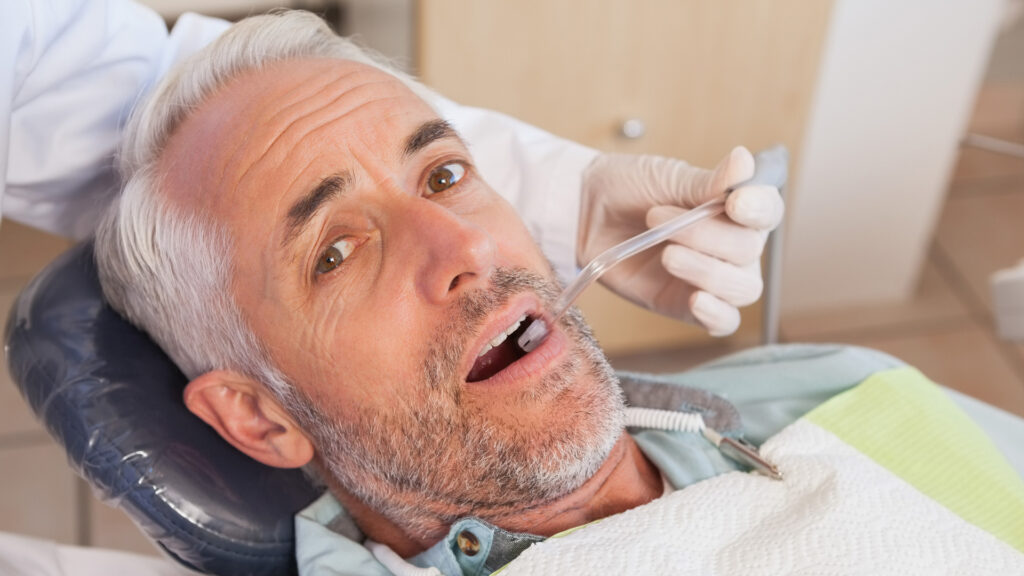
Teen sports are fast, physical, and often unpredictable. A clean game can turn chaotic in seconds when a knee rises in the paint, a stick catches a face mask at the wrong angle, or a soccer ball strikes a mouth just as a player exhales. Dental injuries sit in that difficult category of emergencies that may not look dramatic from the sidelines, yet can have lasting consequences if they are handled poorly in the first thirty minutes.
This is where prompt care matters. An Emergency Dentist does far more than patch a broken tooth. In the right situation, immediate dental treatment can preserve a tooth that might otherwise be lost, limit infection risk, reduce long-term cost, and help a teenager return to sports with confidence instead of anxiety. For parents, coaches, athletic trainers, and teens themselves, knowing what deserves urgent attention and what to do before arriving at the dental office can make a real difference.
Why teen athletes face a distinct kind of dental risk
Teenagers are not just smaller adults. Their schedules are tighter, their judgment is still developing, and they often push through pain when they should not. A varsity athlete who chips a front tooth during basketball warmups may insist it is nothing because the team needs them on the floor. A wrestler with a loosened tooth may be more worried about making weight than seeing a dentist. That tendency to downplay oral injuries is common, and it complicates care.
There is also the issue of timing. Many injuries happen after school, on weekends, or during travel tournaments when a family’s regular dentist is closed. An Emergency Dentist is often the professional who fills that gap. In practical terms, that means same-day assessment, dental imaging when needed, pain control, stabilization of injured teeth, and a plan that balances urgency with the realities of a teen’s upcoming practices, meals, and school obligations.
The types of sports matter too. Basketball, soccer, baseball, softball, hockey, lacrosse, martial arts, skateboarding, mountain biking, and gymnastics all produce dental trauma, but in different patterns. A direct blow from a ball often creates fractures. A fall may chip one front tooth and crack another in a way no one sees until the teen bites down later that night. Contact sports can loosen teeth, split lips, bruise gums, and damage the jaw at the same time.
What counts as a true dental emergency after a sports injury
Not every chipped tooth is a crisis, but some sports injuries need immediate evaluation. The challenge is that pain and appearance do not always match severity. A small visible chip can be relatively minor, while a tooth that looks almost normal may have root damage or a nerve injury developing underneath the surface.
An Emergency Dentist should be contacted promptly if a tooth has been knocked out, pushed out of position, loosened significantly, fractured with visible pink or red tissue, or if there is uncontrolled bleeding, severe swelling, difficulty closing the mouth normally, or suspicion of a jaw injury. A cut lip that seems manageable may still need dental evaluation if it was caused by tooth impact, because the tooth itself could be cracked or displaced.
Cold sensitivity that lingers, pain when biting, and a sudden change in the way the upper and lower teeth fit together are also warning signs. These issues are easy to miss in the first hour when adrenaline is still running. I have seen cases where a teen finished the game, only to wake up the next morning unable to bite into toast because one front tooth had been driven slightly inward. The delay did not make treatment impossible, but it did make it more complicated.
The first minutes after the injury matter most
Sideline care is not definitive treatment, but it can improve the odds of a better outcome. The goal is to stay calm, control bleeding, protect the injured area, and Emergency Dentist Dental Group of Beverly Hills avoid choices that make the damage worse.
If a permanent tooth is completely knocked out, time is critical. The tooth should be picked up by the crown, not the root. If it is visibly dirty, it can be rinsed gently with saline or milk, or briefly with clean water if nothing else is available. It should not be scrubbed, dried on a towel, or wrapped in tissue. In some cases, an older teen who is alert and cooperative can place the tooth back into the socket right away, but only if that can be done cleanly and without force. If not, the best option is to keep the tooth moist in milk or a tooth preservation solution and get to an Emergency Dentist immediately.
For a chipped or broken tooth, save any fragments if possible. Sometimes those pieces can help the dentist assess the extent of the fracture, and occasionally they can even be bonded back into place. If there is bleeding, gentle pressure with clean gauze helps. A cold compress on the outside of the lip or cheek can reduce swelling. Pain medicine may be appropriate, but aspirin is not ideal when bleeding is active.
Here is the short version parents and coaches should keep in mind:
- Stop play immediately and look for missing tooth fragments.
- Control bleeding with gauze and apply a cold compress outside the mouth.
- If a permanent tooth is knocked out, keep it moist and seek urgent dental care at once.
- Do not let the teen chew on the injured side or test the tooth repeatedly with their tongue.
- Contact an Emergency Dentist even if the damage seems minor, especially if the bite feels different.
That last point gets overlooked. Teen athletes often poke at a loose tooth for an hour while waiting to be picked up. Repeated movement can worsen ligament injury and make stabilization more difficult.
Different injuries, different treatment paths
Dental trauma is not one problem. It is a category of problems, and treatment depends on exactly what was injured.
A simple enamel chip may only require smoothing or bonding. These are the cases that families often hope for, and sometimes they are exactly that straightforward. A teenager takes an elbow in basketball, loses a small corner of a front tooth, and leaves after a quick cosmetic repair with instructions to monitor for delayed sensitivity.
A deeper fracture is different. When the break extends into dentin, the yellow inner layer beneath the enamel, sensitivity rises and the tooth becomes more vulnerable. If the pulp, the soft tissue containing nerves and blood vessels, is exposed, treatment becomes more urgent. In younger teens, preserving pulp vitality may still be possible if addressed quickly. In other cases, root canal treatment may eventually be needed.
A luxation injury, where the tooth is loosened or displaced but not fully knocked out, can be deceptively serious. The tooth may need to be repositioned and splinted to neighboring teeth for a period of time. Follow-up is essential because some of these teeth initially look stable but later darken, lose vitality, or develop root problems.
Then there is avulsion, the complete loss of a tooth from the socket. This is among the most time-sensitive situations an Emergency Dentist sees. The best outcomes happen when reimplantation occurs quickly, ideally within the first hour, though every case depends on storage conditions and the age of the patient. Even when the prognosis is uncertain, prompt care still matters because preserving bone and managing the socket properly affects future treatment options.
Soft tissue injuries deserve attention too. Lips, cheeks, and gums can trap debris or tooth fragments. A deep laceration may need cleaning and closure. It is not unusual for a teenager to focus on the broken tooth while missing the fact that a fragment is embedded in the lower lip.
What happens at the emergency dental visit
Families often arrive worried that the visit will be chaotic or painful. In a well-run emergency setting, the process is usually methodical. The dentist begins with the history of the injury, how it happened, how long ago, whether there was loss of consciousness, whether the teen can close their teeth together normally, and whether there are symptoms like dizziness or nausea that raise concern for concussion or head injury. Dental care does not happen in isolation, and medical referral may be needed first if there are signs of facial fracture or neurological issues.
Next comes the exam. The dentist checks tooth position, mobility, fractures, gum injuries, soft tissue trauma, and the bite. Dental radiographs help identify root fractures, intrusion, bone injury, or hidden damage not visible in the mirror. In some offices, photographs are also useful, especially for front-tooth injuries where changes over time matter.
Treatment may happen immediately, or it may unfold in stages. A displaced tooth may be repositioned and splinted. A fractured tooth may be covered temporarily to protect the pulp and reduce sensitivity. A knocked-out tooth may be replanted if conditions allow. Pain management, antibiotics in selected cases, and tetanus guidance may be discussed depending on the injury and contamination level.
One point that surprises many parents is that the first visit often focuses on stabilizing the situation, not finishing every detail cosmetically. If a teen chips a front tooth before prom or playoffs, the family naturally wants the final perfect result that same day. Sometimes that is possible. Sometimes the wiser approach is to secure the tooth, control inflammation, and plan the definitive restoration after the tooth’s short-term prognosis becomes clearer.
The injuries that look small but deserve respect
Experience teaches a certain humility with sports dental trauma. The cases that produce the biggest immediate panic are not always the ones with the worst long-term effect. A dramatic lip bleed can accompany a relatively minor chip. Meanwhile, a teenager with only mild soreness may have a concussion, a root fracture, or a pulp injury that develops silently over days.
A common example is the hairline crack. The teen says the tooth feels “weird” but not terrible. The parent sees no major break. On exam, there may be subtle tenderness to pressure, faint craze lines, or sensitivity to cold. Some of these settle. Some evolve into painful bite sensitivity and require further treatment. That is why follow-up is not optional after a meaningful impact.
Another easy-to-miss issue is intrusion, where the tooth is driven upward into the socket. It may appear shorter than the neighboring tooth. This is not just a cosmetic oddity. It is a true trauma event involving the periodontal ligament, bone, and blood supply to the tooth. These injuries need prompt evaluation and close monitoring.
Return to sports is a clinical decision, not just a calendar date
Parents and coaches often ask the same question before they ask about the bill: “When can they play again?” The answer depends on the type of injury, how the tooth was treated, the sport involved, and whether a custom mouthguard can be used safely.
A bonded chip with no deeper injury may allow a relatively quick return. A splinted tooth is another matter. Contact play too soon can undo careful repositioning or turn a salvageable tooth into a lost one. Even when the teen feels fine, the underlying tissues may still be healing. There is also the risk that a second impact will do more damage because the tooth and supporting structures are already compromised.
For school athletes, communication matters. The dentist may need to coordinate with parents, orthodontists, coaches, or athletic trainers. Written restrictions can help because teenagers tend to hear “you’re feeling better” as “you’re cleared.” Those are not the same thing.
Mouthguards prevent more than people think
Prevention rarely feels urgent until after the first injury. Yet this is where many dental emergencies can be reduced. Over-the-counter boil-and-bite guards are better than nothing, but fit matters. A poorly fitting guard is often left in the gym bag, chewed into uselessness, or removed during play because it interferes with breathing or speech.
A custom sports mouthguard offers better retention, comfort, and force distribution. That matters especially for teens wearing braces, teens with a prior dental injury, or athletes in sports with frequent collisions. It is not a guarantee against trauma, but it can lower the severity of injury and reduce the chance of lacerations from teeth striking lips and cheeks.
Parents sometimes object to the cost until they compare it with even a modest emergency dental bill. A single sports injury can lead to imaging, bonding, splinting, root canal treatment, crown work, or future replacement planning if the tooth cannot be saved long term. The economics are not subtle.
When braces complicate the picture
Teen athletes often have orthodontic treatment underway, and that changes emergency management. A blow to the mouth can bend wires, break brackets, and trap soft tissue against hardware. It can also make it harder to judge whether a tooth has moved because the braces themselves are exerting force.
An Emergency Dentist can address the urgent trauma, relieve sharp wires, and stabilize Emergency Dentist damaged teeth, but the orthodontist may need to be involved soon after. Timing matters. Orthodontic forces may need to be paused or modified while injured teeth recover. Families should not assume that because the braces are still attached, the underlying teeth are fine.
The emotional side of a front-tooth injury
Adults sometimes underestimate how deeply a teen can be affected by a visible dental injury. Pain is only part of it. There is embarrassment, worry about appearance, fear of teasing, and anxiety about whether the tooth will ever look normal again. For a teenager who already feels watched by peers, a broken front tooth can hit hard.
This is one reason a calm, practical emergency visit helps so much. When the dentist explains what happened, what can be fixed now, and what needs observation, the situation becomes less frightening. Even small improvements on the first day, smoothing a sharp edge, reattaching a fragment, temporarily restoring shape, can change the emotional tone for the patient.
I have seen teens walk in covering their mouth and walk out speaking normally because they understood the plan. That shift matters. It is part of care, not an extra.
Costs, follow-up, and why “it looks fine now” is not the end of the story
Sports dental injuries can unfold over weeks or months. A tooth may test normal on day one and lose vitality later. A tooth that has been replanted may require long-term monitoring for root resorption or ankylosis. A luxated tooth may need repeated exams even after it firms up.
That means families should be prepared for more than one visit. The initial emergency care often addresses the immediate problem. Follow-up checks assess healing, repeat imaging when appropriate, and determine whether further treatment is needed. In younger teens, preserving natural tooth structure and supporting continued jaw development are important considerations. The best long-term choice is not always the fastest short-term fix.
The practical questions families should ask before leaving the emergency visit are simple but important:
- What signs over the next 48 hours mean we should call immediately?
- What can my teen eat, and for how long should they avoid sports or contact?
- Will this tooth need follow-up vitality testing or repeat X-rays?
- Are we looking at a temporary repair, a definitive repair, or a wait-and-see phase?
- If appearance changes or the tooth darkens later, what does that usually mean?
These questions help families leave with a plan instead of a vague sense that the crisis has passed. Sometimes it has. Sometimes the real work is just moving from emergency management into careful surveillance.
Building a better response before the next season starts
The most effective time to prepare for a dental emergency is before anyone gets hit in the face. Teams and families benefit from having a simple response plan. Coaches should know which local Emergency Dentist or emergency dental clinic is available after hours. Parents should keep dental insurance information accessible. Athletic bags can carry gauze, a clean container, and ideally a tooth preservation kit. If that sounds excessive, it only does until a permanent front tooth is lying on the sideline.
Teens should also hear the message directly: report mouth injuries early. Do not hide a loose tooth. Do not keep playing through facial trauma because the game feels bigger than the problem. Sports reward toughness, but dental injuries punish denial.
A well-fitted mouthguard, a little preparation, and fast professional care will not erase every injury. They do improve the odds, and those odds matter when a fifteen-year-old takes a stick, ball, elbow, or fall that could affect their smile for decades. When that moment comes, an experienced Emergency Dentist is not just treating a tooth. They are protecting function, appearance, comfort, and a teenager’s confidence at a time when all four feel urgent.